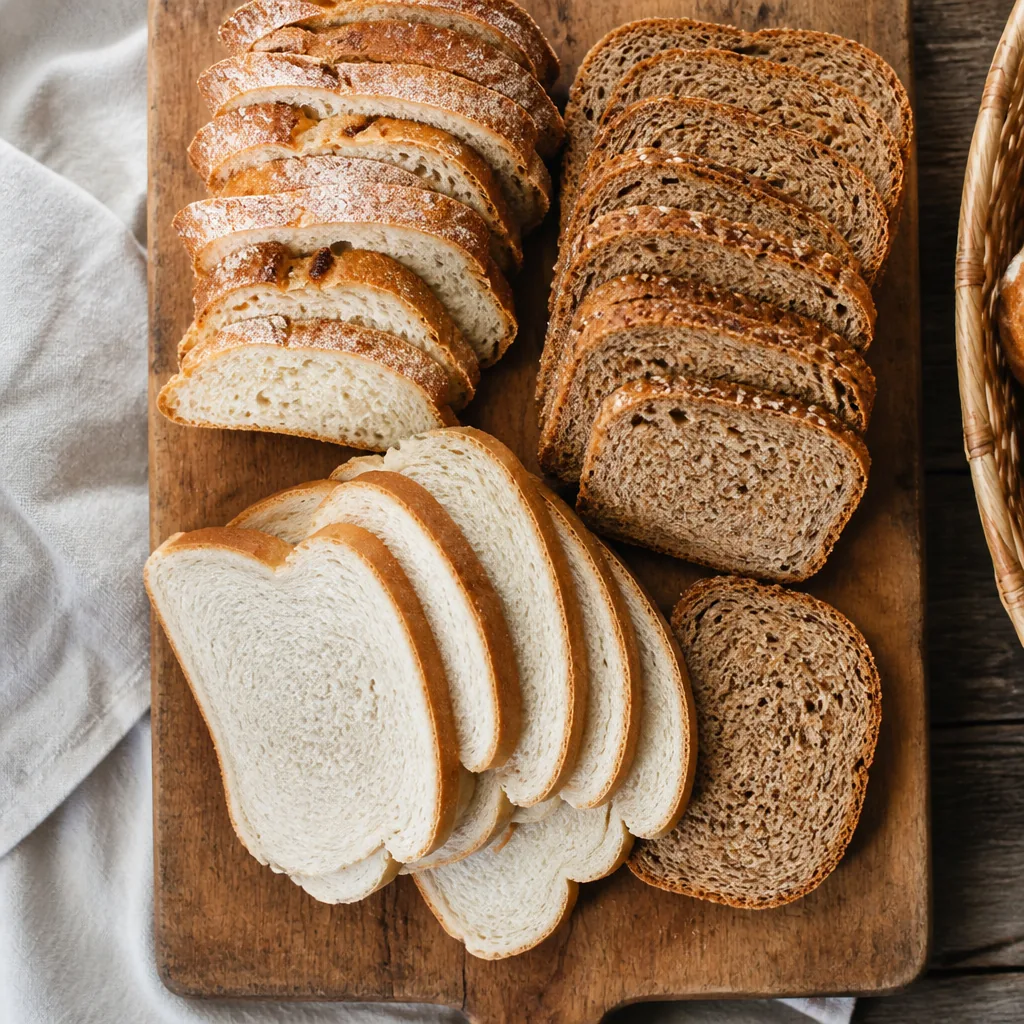
The bread
Choosing bread for toast
Crumb, crust and slice thickness decide more than the toaster does. How to read a loaf before you cut it.
Read entryThe right bread, the right char, and a topping that earns its place. Six short entries on turning a plain slice into a proper little meal.
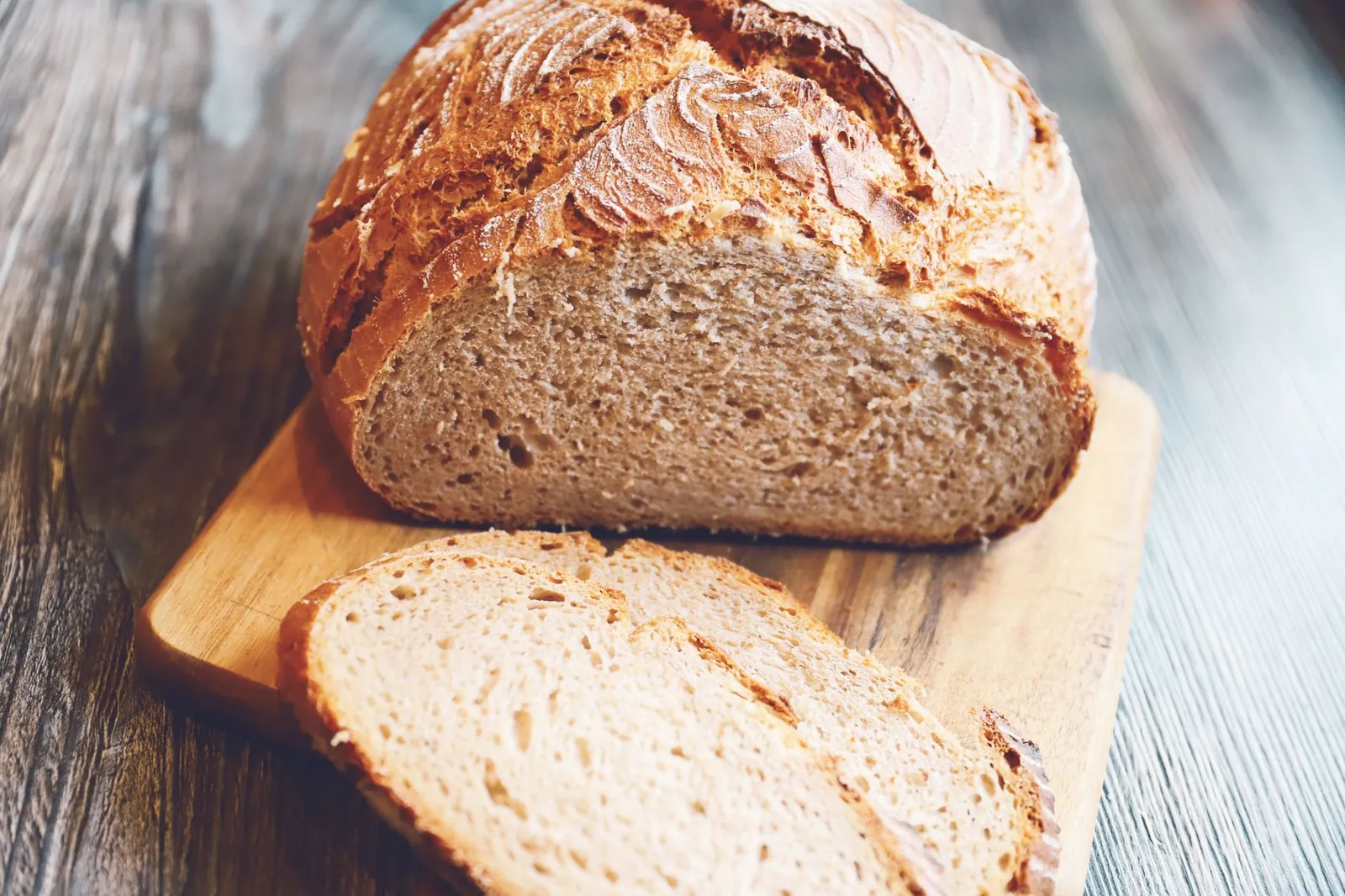
The Toast Notebook keeps track of the small decisions that separate a sad, floppy slice from one you actually look forward to. None of it is complicated. Toast rewards attention more than technique, and most of that attention happens before the bread ever hits the heat.
Every entry sticks to plain kitchen sense: how a crumb behaves under heat, why a wet topping needs a barrier, what a minute either way does to the crust. No trends, no gadgets you have to buy, no promises about anything beyond breakfast. Just a slice, done with a little more care than usual.
Read the entries in order or jump to whatever you are making tonight. Each one stands on its own, and each one ends where the next one begins.
Start with the bread and the browning, then work through toppings and quick assemblies. Each entry is a short read with concrete examples.
Crumb, crust and slice thickness decide more than the toaster does. How to read a loaf before you cut it.
Read entry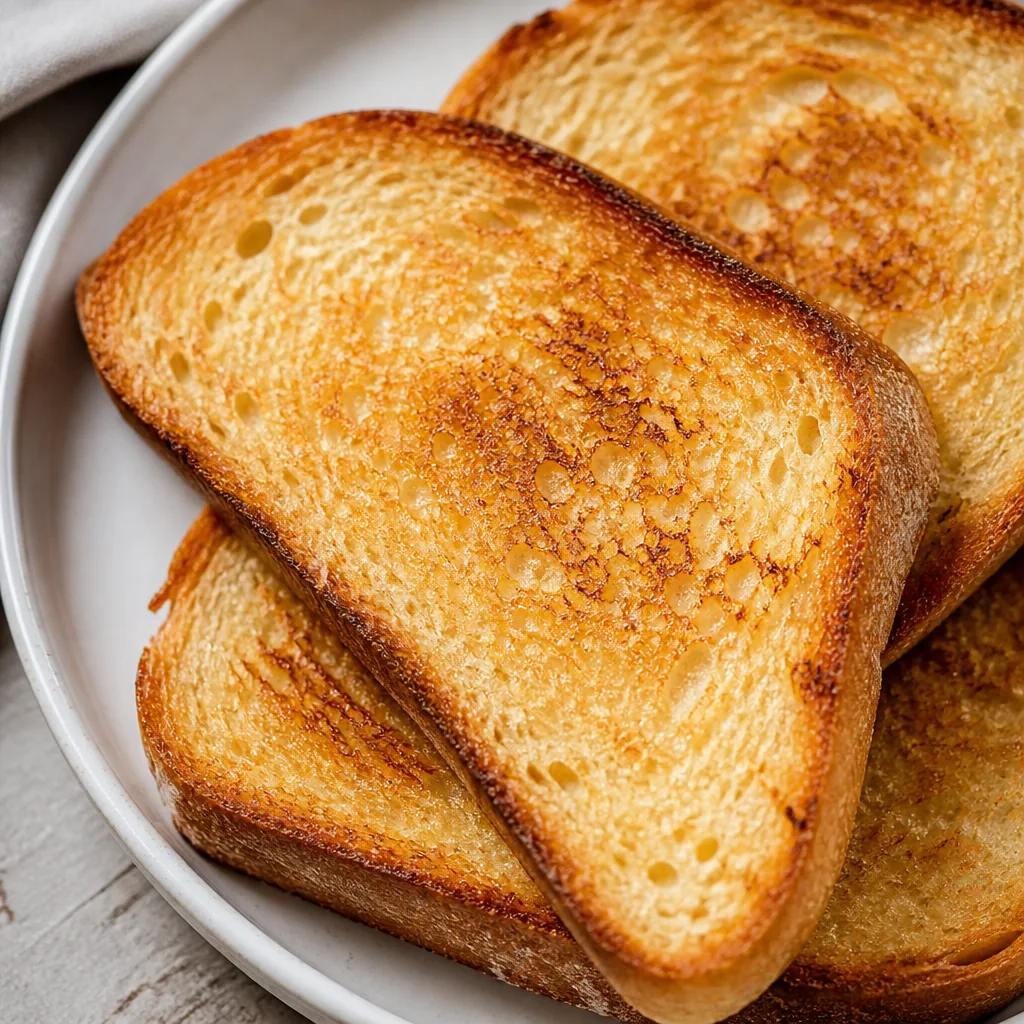
Pale, gold, deep or dark: each stage has its use. Where flavour peaks and where it turns bitter.
Read entry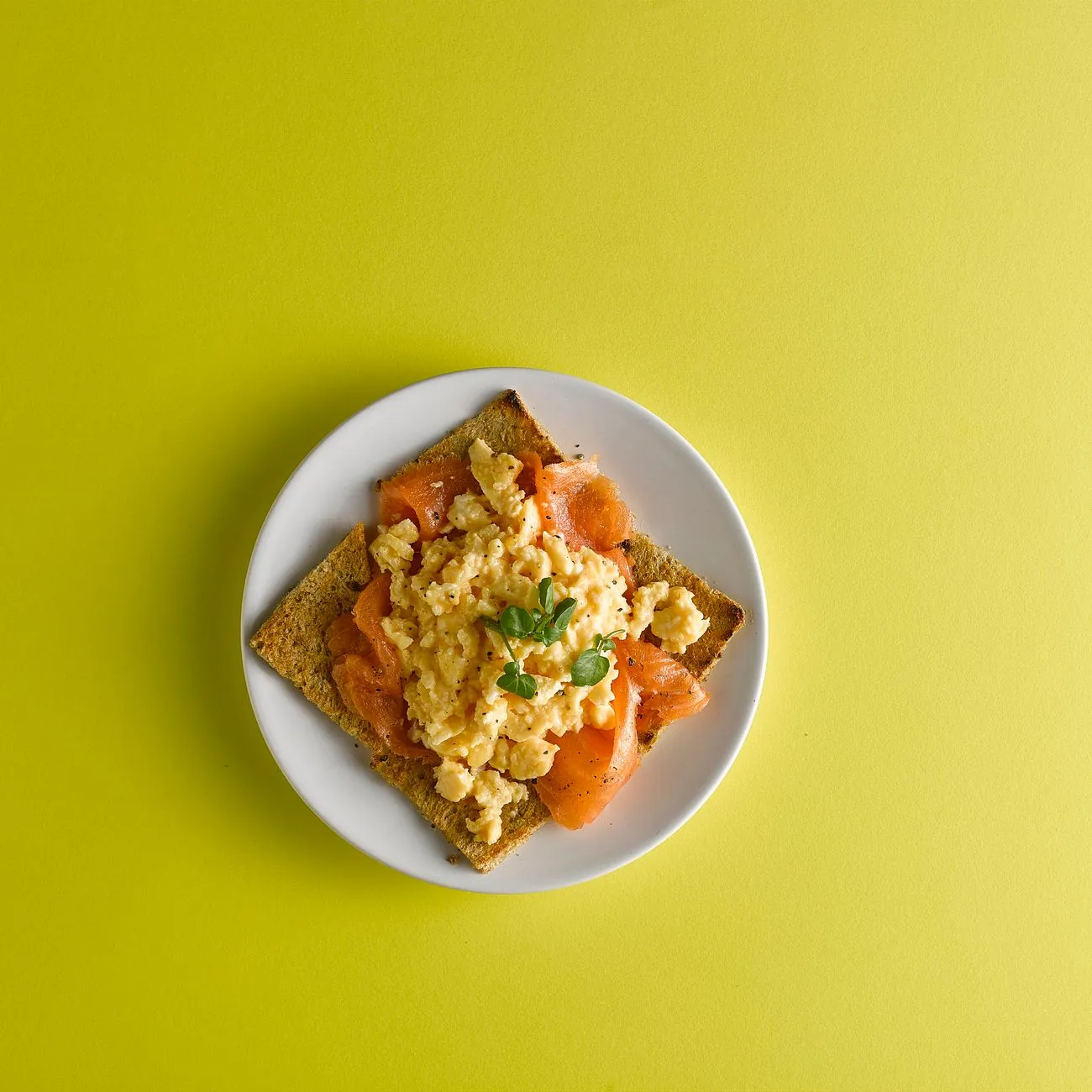
Fat, salt, acid and something green. How to build a savory slice that stays put and tastes finished.
Read entry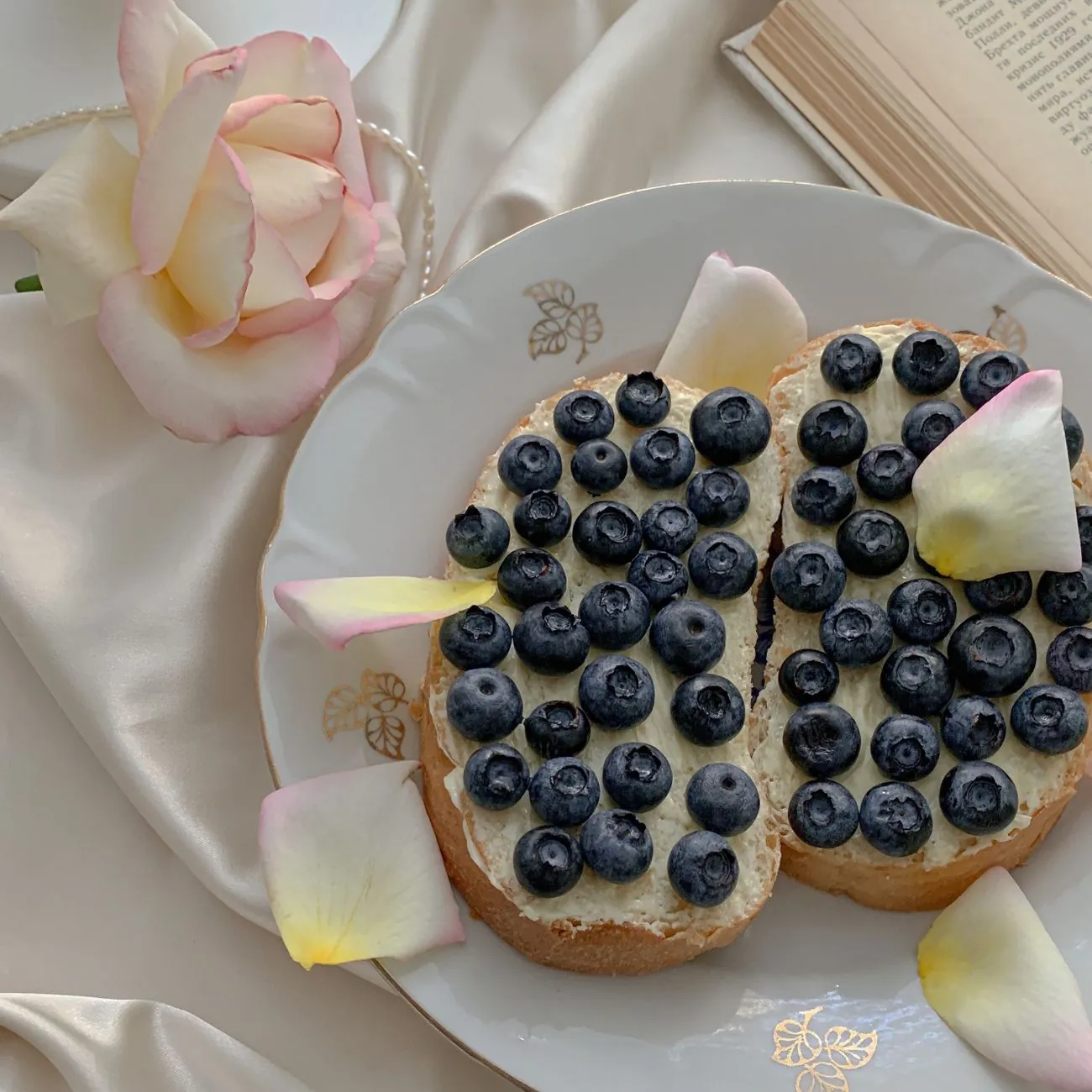
Honey, fruit, nut butters and a little warmth. Sweet toast without turning breakfast into dessert.
Read entry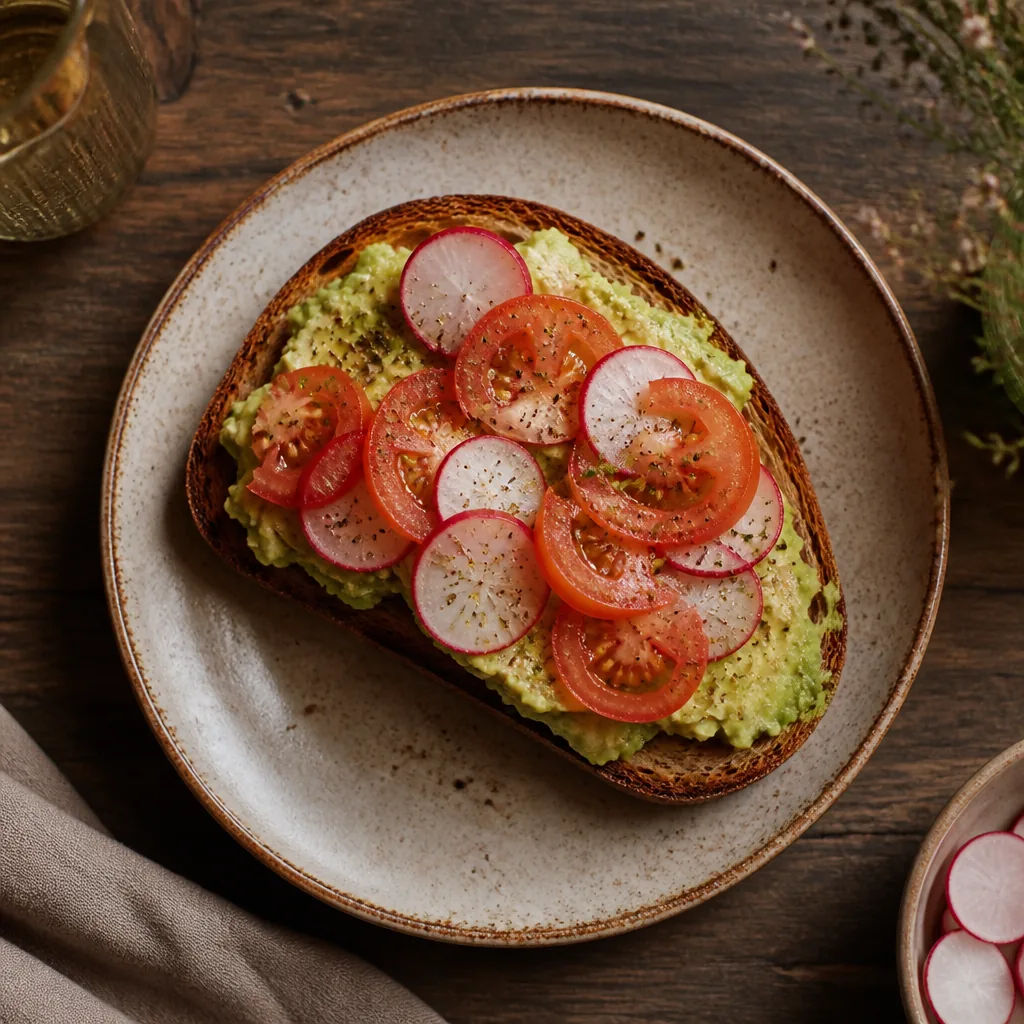
Spread a soft base, then layer for texture. How to stack a slice that holds together to the last bite.
Read entry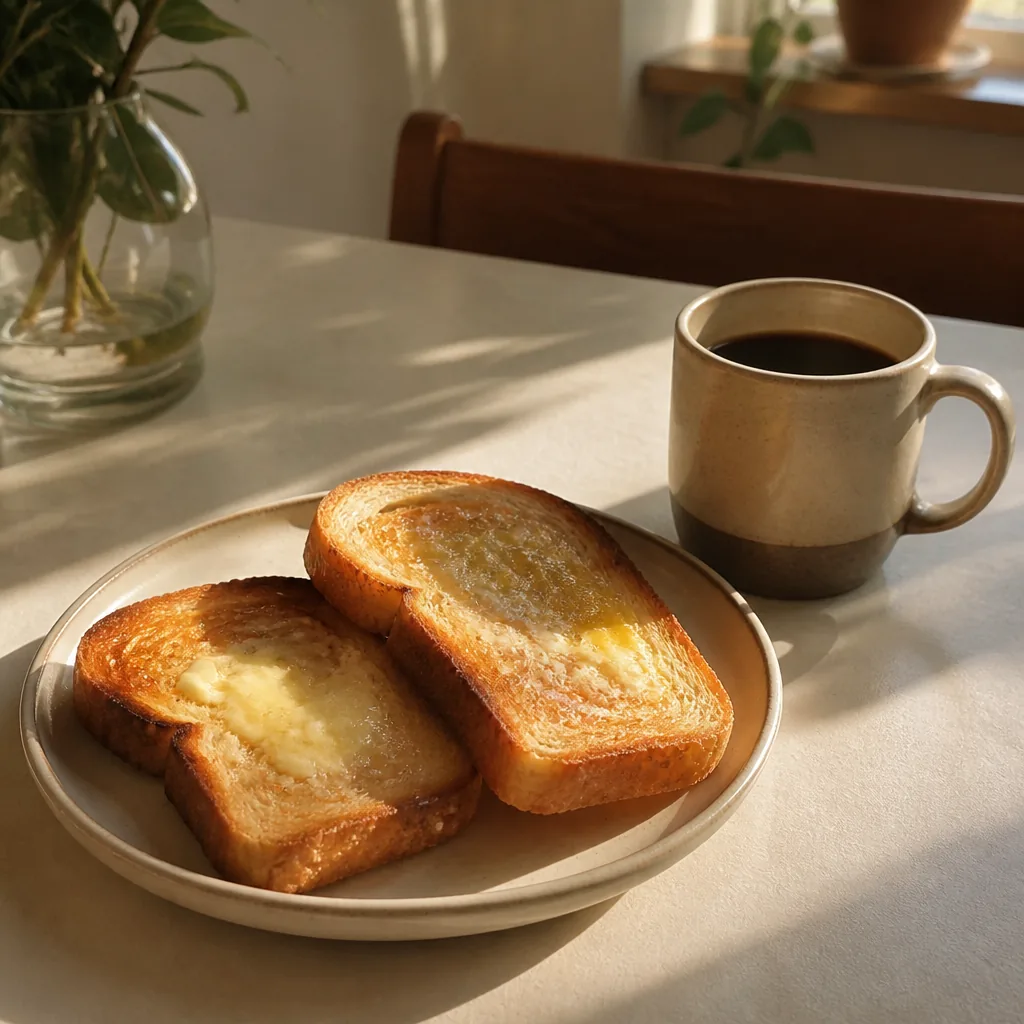
Ten minutes, one slice, real food. A small kit of ideas for when cooking feels like too much.
Read entryGood toast is not luck. It is the same short sequence, repeated with a little attention.
Match crumb and crust to what you are making. A sturdy slice for wet toppings, a soft one for butter and jam.
Toast to the colour the topping needs, not the number on the dial. Stop just before the edges go dark and bitter.
A layer of fat or something soft protects the crust and gives everything above it a place to hold on.
Salt, acid or a little sweetness at the end wakes the whole slice up. Toast waits for no one, so eat it warm.
More than the toaster does. A dense, close crumb browns evenly and stays firm, while an open, airy loaf crisps in patches and can go lacy. Slice thickness matters too: thin toasts fast and can dry out, thick keeps a soft middle under a crisp face.
It depends on what goes on top. Pale gold suits butter and delicate spreads; a deeper brown adds a nutty edge that stands up to cheese, egg or garlic. Once the surface turns near-black it tastes bitter, so pull it a shade before that point.
Usually a wet topping meeting bare bread with nothing in between. A thin layer of butter, oil or a firm spread acts as a barrier, and adding juicy elements just before you eat keeps the slice crisp for longer.
Easily. A sturdy slice with a protein, something fresh and a little fat covers a lot of ground in under ten minutes. The quick-meal entry works through a few reliable combinations you can lean on when time is short.