Sweet toast has a habit of drifting into pudding territory, and that is usually where it goes wrong. A thick smear of chocolate spread on white bread is pleasant for about three bites, then it flattens into pure sugar with nothing to hold your interest. The sweet slices worth making are the ones that stay bright: a base with a little tang or richness, real fruit doing some of the sweetening, and just enough honey or jam to tie it together rather than drown it. Treated that way, sweet toast is genuinely a nice breakfast or an afternoon lift, not a sugar hit you regret an hour later. The trick is the same balancing act as the savory side, only the levers are different. Instead of salt and acid you are working with tang, warmth from spice, and the natural sweetness of fruit, and the aim is contrast rather than one loud sweet note. This entry walks through how to keep that balance and gives a handful of combinations that lean on fruit and texture more than the sugar bowl.
Sweetness needs a counterweight
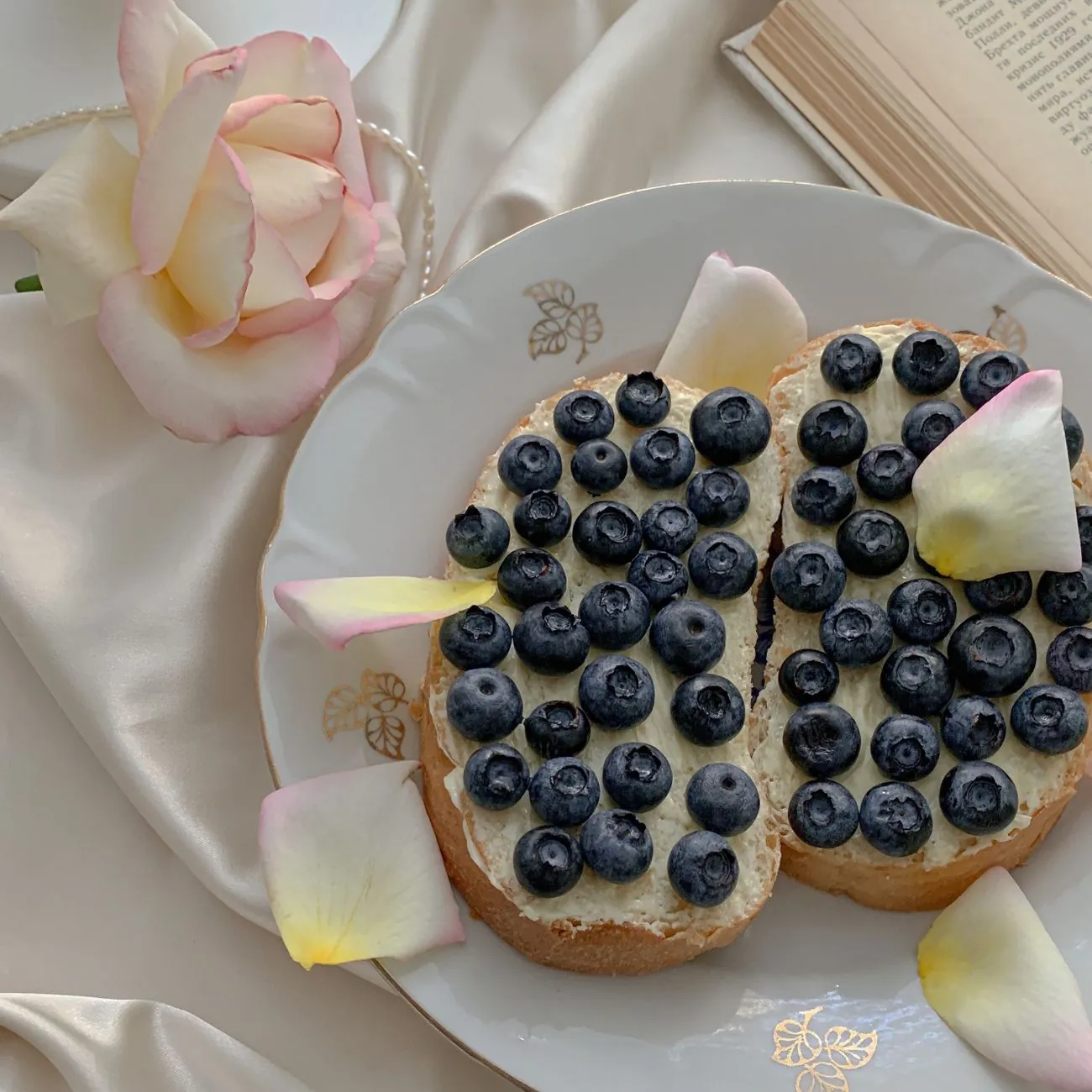
The single most useful idea here is that sweetness tastes best against something that is not sweet. A spoon of ricotta, a smear of soft cheese, a layer of thick yoghurt or the richness of a nut butter all give the slice a savoury or tangy floor for the sweet elements to sit on. That contrast is exactly why the blueberry slice pictured above works: the soft cheese underneath keeps the fruit from tipping into jam-on-bread territory, and the berries bring tartness the honey then rounds off.
Acidity helps too. A few drops of lemon over fruit, or berries that still carry a little tartness, keep the whole thing lively. Without that counterweight, sweet toast collapses into a single flat note, however good the ingredients are on their own.
Let the fruit do the work
Fruit is the best sweetener you have, because it brings colour, texture and a natural tang alongside the sugar. Sliced banana, macerated strawberries, fresh blueberries, roasted plums or a grated apple can carry most of the sweetness of a slice, leaving honey or jam as an accent rather than the main event.
- Soft berries — blueberries, raspberries and sliced strawberries need no cooking; just pile them on a creamy base and finish with a thread of honey.
- Banana — sliced over nut butter is the classic; a quick press under the grill caramelises the edges if you want more depth.
- Stone fruit — peaches, plums and apricots turn jammy and fragrant with a few minutes under heat, then spoon warm over ricotta.
- Grated apple or pear — with a pinch of cinnamon it tastes like a crumble filling and costs almost nothing.
A little warmth goes a long way
Spices are the quiet upgrade for sweet toast. A pinch of cinnamon, a scrape of nutmeg, a few cardamom seeds or a grind of black pepper over strawberries adds depth that makes the slice taste considered rather than plain. Warm the spice into the honey or the butter so it spreads evenly instead of sitting in one corner.
Field note: toast the bread a shade lighter for sweet slices than you would for savory ones. A pale-gold surface lets the fruit and honey lead, while a deeply charred slice can add a bitter edge that fights the sweetness.
Combinations to keep in mind
None of these need a recipe card. Each pairs a rich or tangy base with fruit and a restrained hit of sweetness.
Soft cheese, berries and honey
Spread ricotta or a mild soft cheese on lightly toasted bread, cover with blueberries or sliced strawberries, and finish with a thin thread of honey and, if you like, a little lemon zest. It is the sweet slice pictured above, and it stays fresh-tasting to the last bite.
Nut butter and banana
Peanut or almond butter on warm toast, topped with sliced banana and a dusting of cinnamon. The nut butter adds body and a savoury edge, so the slice feels like a small meal rather than a snack. A few crushed nuts on top add welcome crunch.
Yoghurt, roasted plum and seeds
Thick yoghurt on toast, spooned over with plums roasted until soft and jammy, then scattered with toasted seeds for texture. The tang of the yoghurt against the sweet fruit is what makes it, and the seeds stop it feeling too soft.
Real fruit, a tangy base and a restrained hand with the honey. Sweet toast should taste bright, not heavy.
Sweet toast is at its best when it feels almost accidental, a good loaf, whatever fruit is around, a spoon of something creamy underneath. Keep the sweetness in check and let contrast and texture carry the slice, and it earns a place at breakfast rather than after dinner. The next entry looks at builds that go further still, layering and mashing toppings into something you eat with two hands.