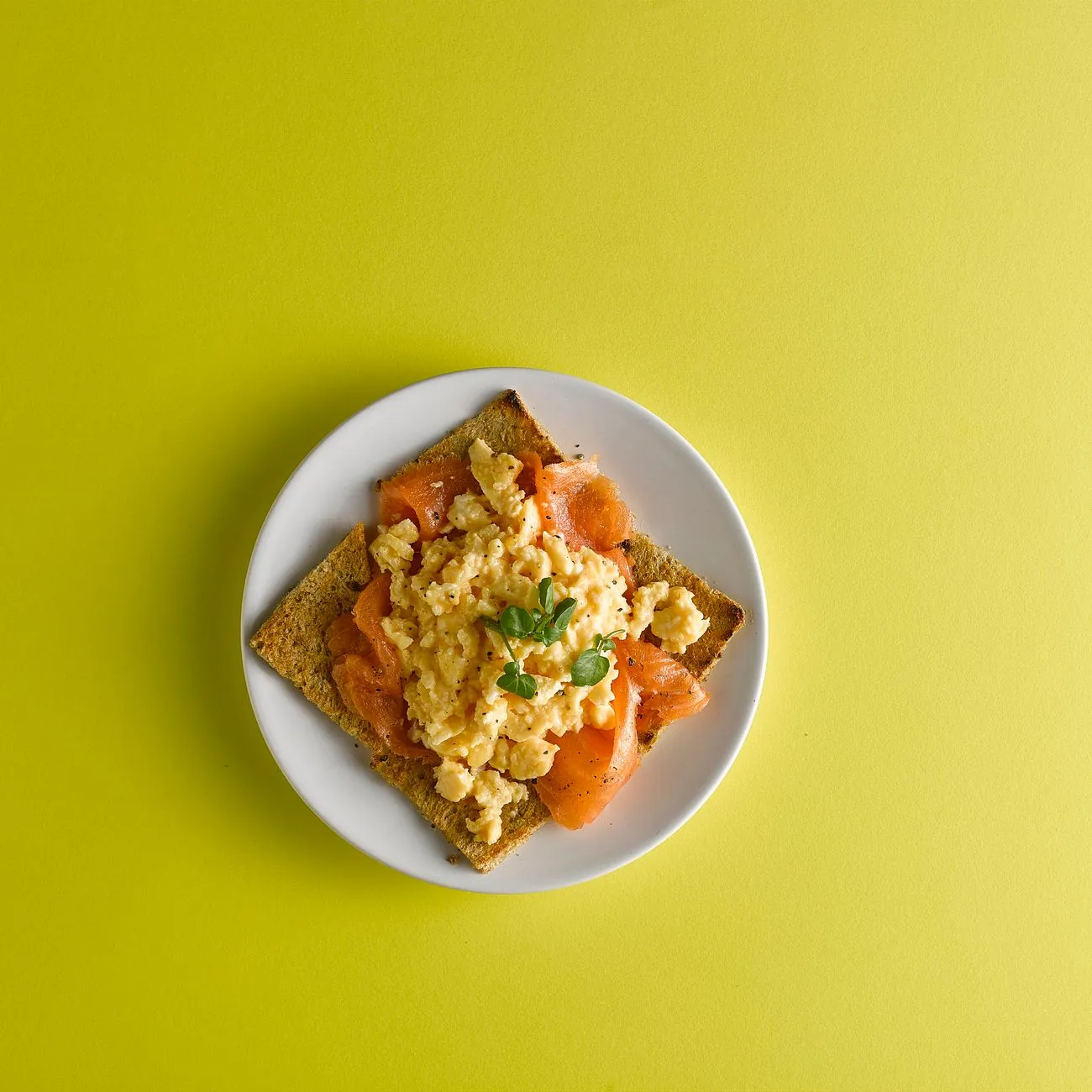
A savory slice can be the quietest meal in your day or the best one, and the difference almost always comes down to balance rather than ingredients. Pile something rich on bare toast and it feels heavy and one-note; scatter a few raw vegetables on with nothing to hold them and they slide off at the first bite. The slices that actually satisfy tend to share a shape: a layer of fat to protect the crust and carry flavour, something with body in the middle, a hit of salt and acid to keep it lively, and a fresh, green note to stop the whole thing feeling flat. You do not need a recipe so much as a sense of those four roles and how to fill them from whatever is in the kitchen. This entry lays out that framework and then walks through a handful of dependable combinations, from a soft egg to a smear of beans, that you can lean on any day of the week.
The four roles on a savory slice
Almost every good savory toast, however casual, quietly covers four bases. Once you can name them, you can build endless variations without ever looking anything up.
- Fat — butter, olive oil, mashed avocado, soft cheese or a spoon of ricotta. It seals the crust against moisture and gives the topping something to cling to.
- Body — the substantial layer: egg, cheese, beans, mushrooms, tomatoes or flaked fish. This is what turns a snack into something that holds you until the next meal.
- Salt and acid — flaky salt, a squeeze of lemon, a few capers, a splash of vinegar or a sharp cheese. This is the part people forget, and it is what makes a slice taste finished rather than beige.
- Fresh — herbs, rocket, sprouts, sliced radish or a crack of black pepper. A green, raw note lifts the richer layers and adds a little texture.
Start with the base
The base layer does more work than it gets credit for. A thin spread of fat on warm toast melts slightly, forms a barrier so juices from tomatoes or a runny yolk do not soak straight into the crumb, and gives grip to anything you lay on top. It is the reason a bare slice with sliced tomato goes soggy in seconds while the same tomato on buttered or oiled toast stays crisp for minutes.
Match the fat to the mood. Butter suits comforting, homely slices; good olive oil leans Mediterranean and loves tomatoes and herbs; mashed avocado or ricotta doubles as both fat and body, which is handy when you want fewer components. Whatever you choose, spread it while the toast is hot so it settles into the surface.
Then build up, not out
Resist the urge to cover every millimetre with a mountain of toppings. A savory slice eats best when the layers are generous but contained, so each bite carries a bit of everything and nothing tumbles off the edge. Break larger elements into pieces that sit flat, tuck the fresh notes in last, and finish with salt and acid right before you eat.
Field note: add the wettest and freshest elements at the very end. Tomatoes, herbs and anything dressed with lemon or oil should go on just before the plate reaches the table, so the toast underneath keeps its crunch.
Combinations worth keeping
These are less strict recipes than reliable shapes. Each one covers the four roles, and each takes minutes.
Egg, in almost any form
Soft scrambled, a fried egg with a loose yolk, or slices of jammy boiled egg all turn toast into a small meal. Butter the toast, add the egg for body, then salt, a crack of pepper, and something fresh like chives or rocket. A little smoked fish or a spoon of soft cheese makes it feel like more of an occasion, as in the slice pictured above.
Tomato, oil and salt
The simplest and one of the best. Rub a cut clove of garlic over deeply toasted bread, spoon on grated or thickly sliced ripe tomato, then finish with good oil, flaky salt and a few basil leaves. The deep char here is doing real work, standing up to the juice and adding a savoury backbone.
Beans and greens
Warm white beans, lightly crushed with olive oil, lemon and a pinch of chilli, make a filling, thrifty topping. Pile them on oiled toast, scatter over wilted spinach or rocket, and finish with a hard cheese grated on top. It is hearty enough to be lunch and costs very little.
Melted cheese, done properly
Cheese on toast is only dull when it is rushed. Use a deep-brown slice as the base, grate the cheese so it melts evenly, and add a savoury accent underneath, a smear of mustard, a few slices of tomato or a scatter of spring onion. A short blast under a hot grill gives you bubbling, golden cheese with crisp edges rather than a pale, greasy layer.
Fat to hold it, body to fill it, salt and acid to wake it up, something fresh to lift it. That is the whole savory slice.
Once the four roles become second nature, savory toast turns into one of the most flexible things you can make: a way to use up an egg, a heel of cheese, half a tomato or a spoon of leftover beans, and still end up with something that tastes considered. The next entry crosses to the other side of the bread box and looks at how the same instincts apply to sweet toast.